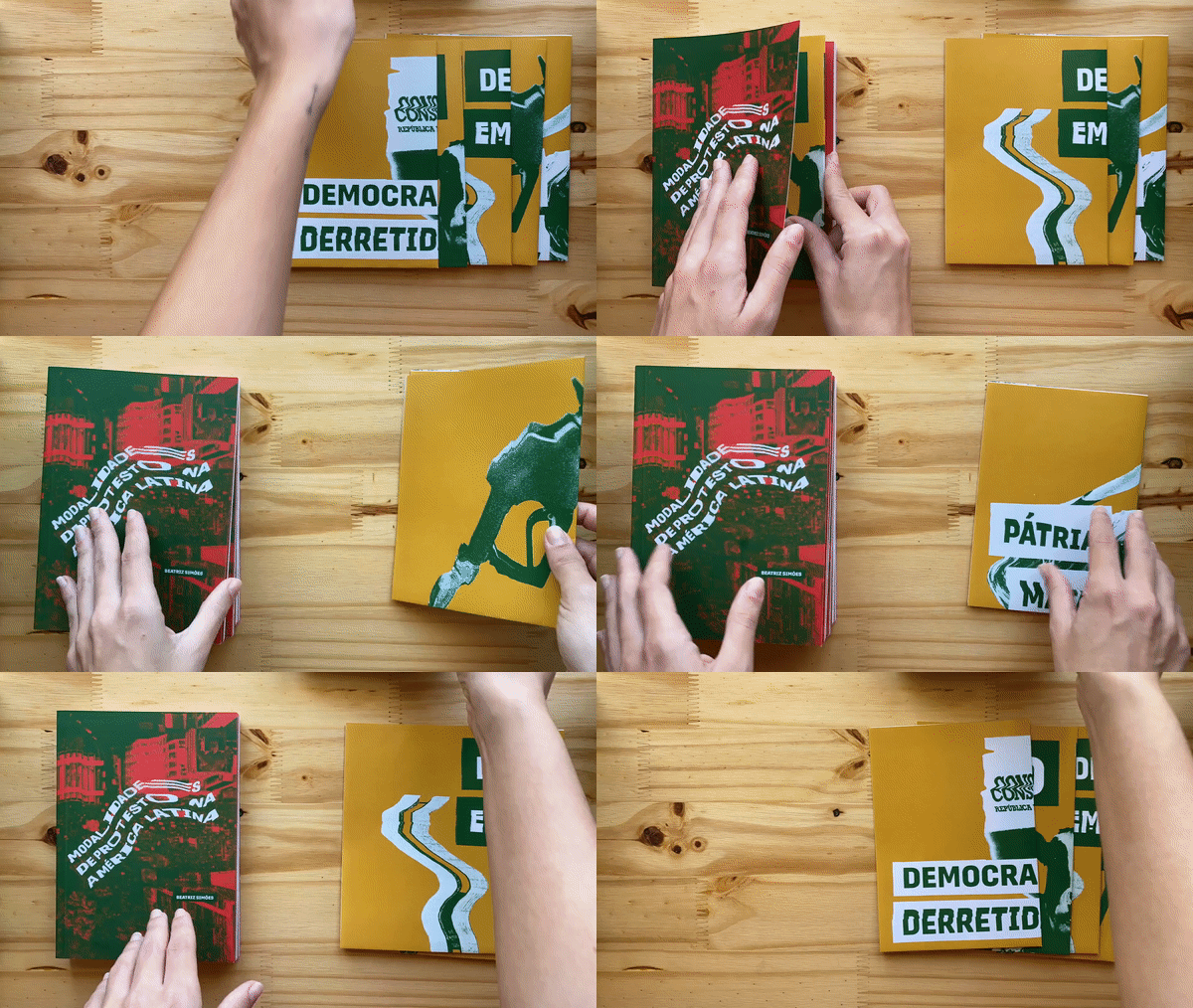
This thesis investigates different types of protest that are found in Latin America, considering forms of collective action that are historically organized in the streets and forms that are articulated through networks of people who are physically separated. In addition, it considers how contemporary protests develop in hybrid ways, occupying analog space and cyberspace. Given the waves of Latin American political demonstrations in recent years and the resumption of large protests in Brazil from 2013, the project aims to describe and contextualize types of protests, in the format of a book, with the intention of increasing or building a reader's knowledge, as well as to encourage and instigate an active political participation in society.
In addition to the design of the book, the project also involved the development of the text, which required an overview of the bibliographical references for each part of the book. The book can be divided into three parts:
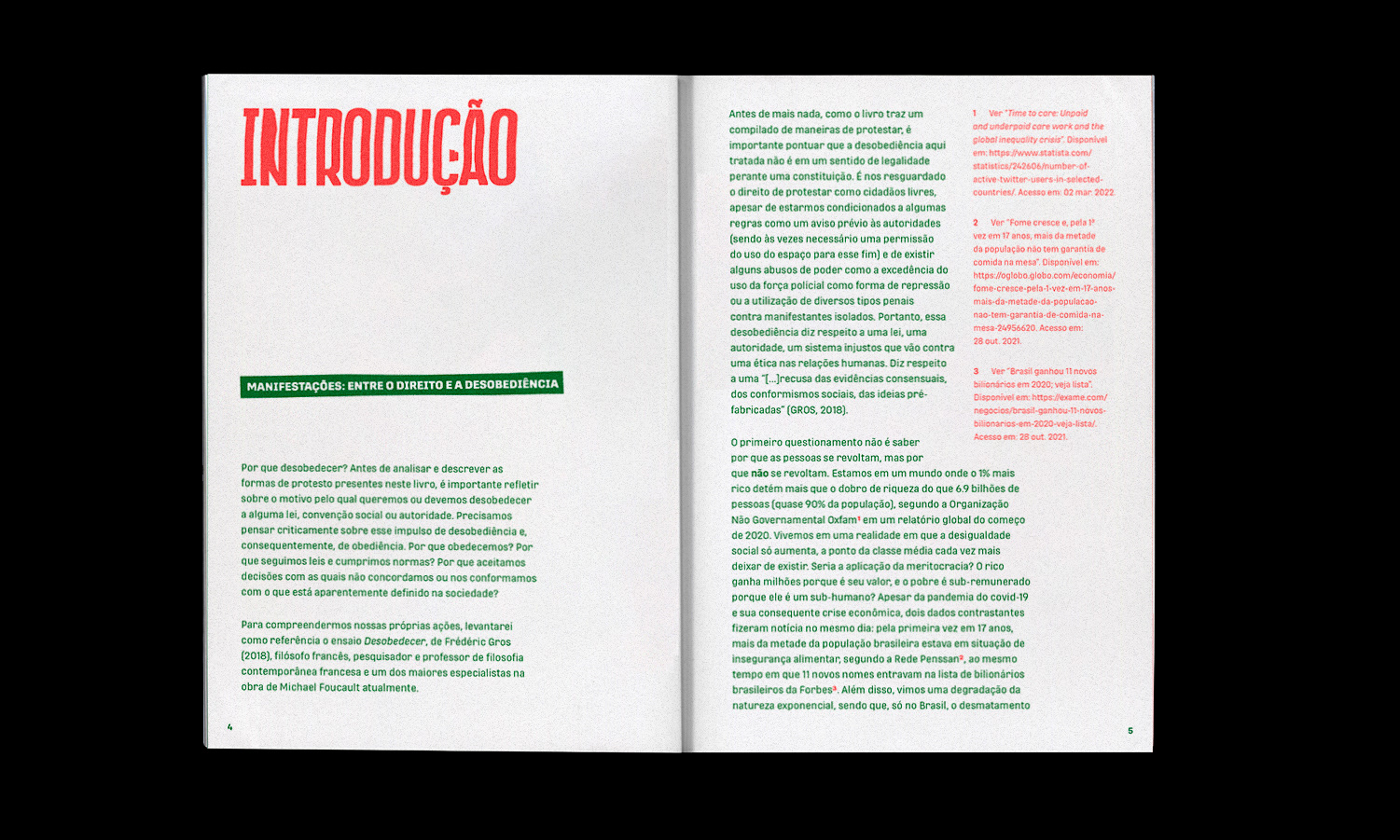
1. Introduction: divided into two texts, Demonstrations: between right and disobedience and Practical activism and the rebel city, the introduction served to discuss with the reader what the act of protest is, based on the idea of disobedience (Disobey! A Philosophy of Resistance by Frédéric Gros, 2018) and the practical consequences of a protest on the system (Rebel Cities: From the Right to the City to the Urban Revolution by David Harvey, 2014; Read & Riot: A Pussy Riot Guide to Activism by Nadya Tolokonnikova, 2019 and Thoreau's thoughts on the relationship between critical theory and practical action - presented by Gros, 2018).

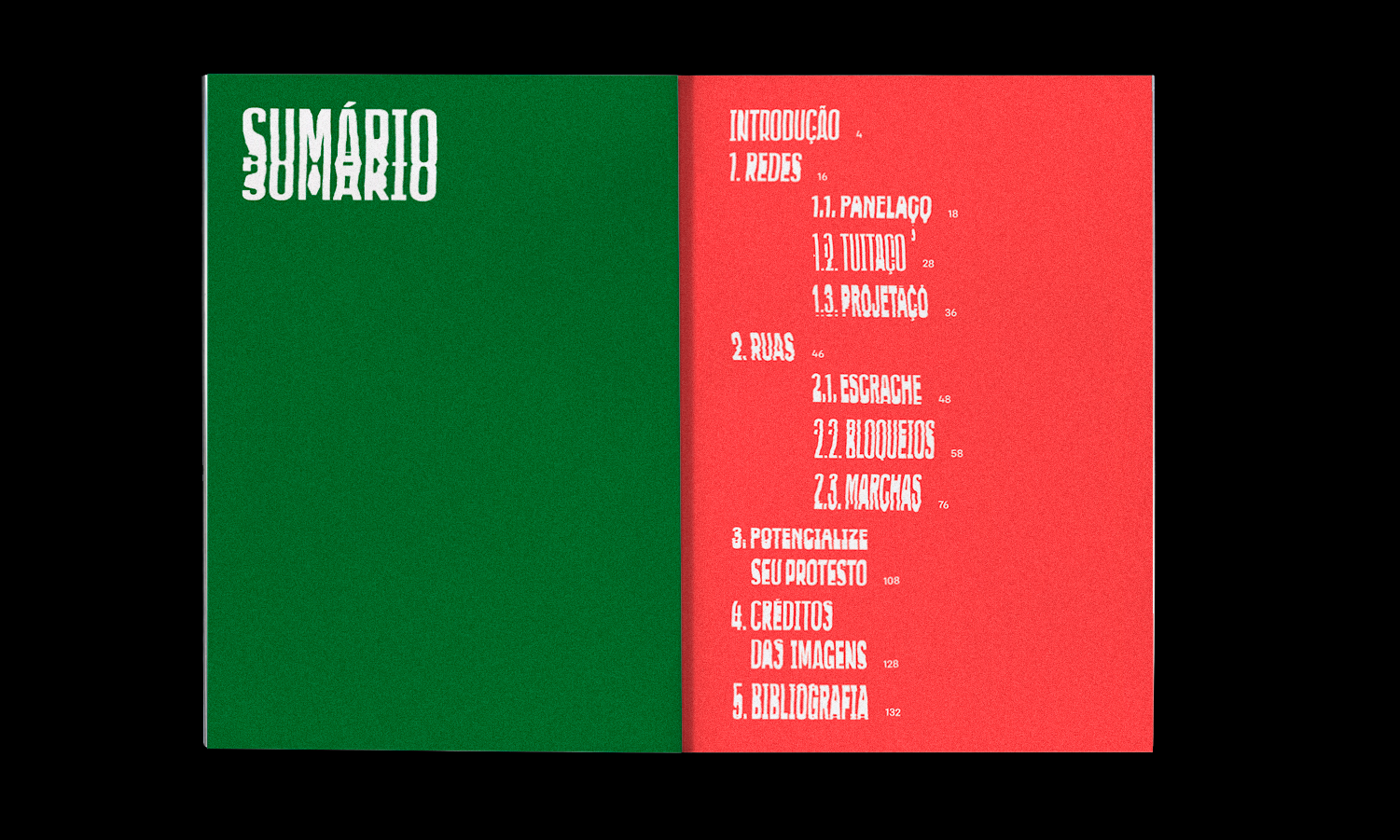
2. Networks and Streets: The forms of protest studied and analysed in this book are divided into networks and streets. Panelaço, Tuitaço and Projetaço do not form collectives of protesters with the same claims and demands through physical space, but rather through networks (not necessarily digital) of people who are mobilised but physically separated. On the other hand, escrache, blockades (plantones, piquetes, guarimbas, tranques) and marches are more traditional forms of demonstration, articulated in the streets and having a strong impact on public space.
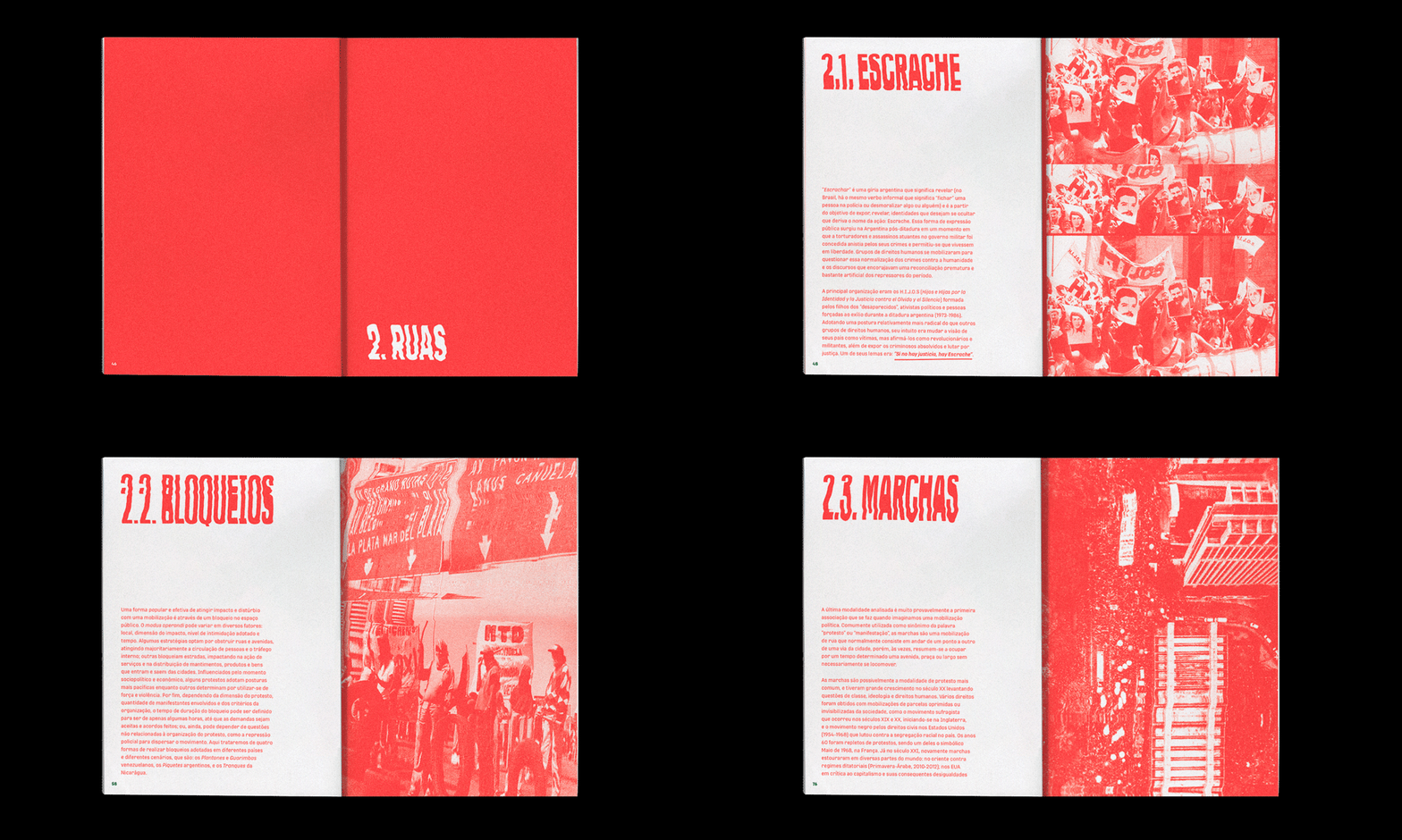
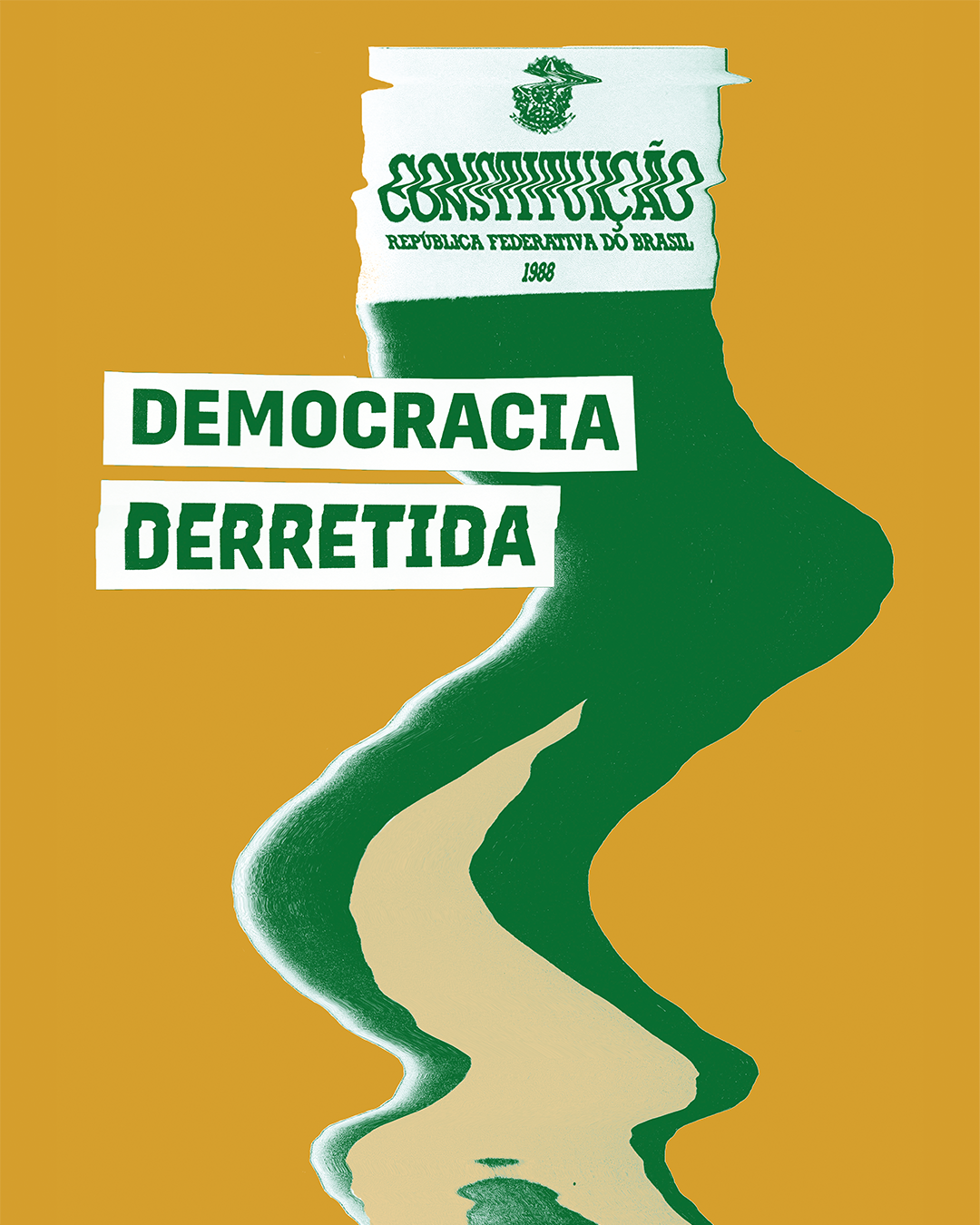
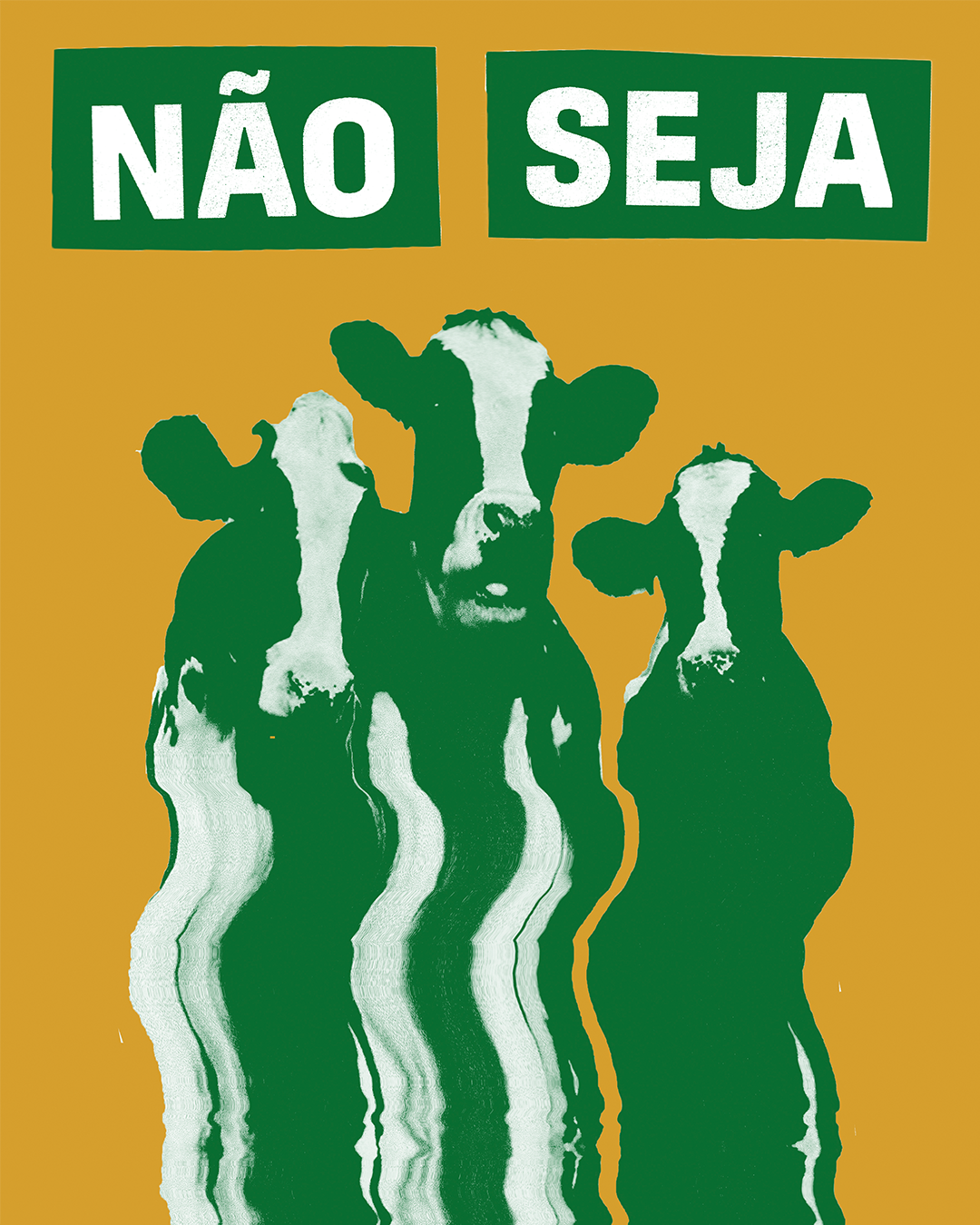
3. Boost your protest: The book concludes that protests can be boosted by understanding their actions and realising that modalities are forms that can be combined, mixed, adapted and consequently intensified to achieve a high level of impact. In the context of a design thesis, it was decided to produce a text explaining some of the steps that should be taken when producing a graphic work, with examples, and an open call for readers to collaborate via a collective public folder for uploads and downloads, creating a network of mobilised people.
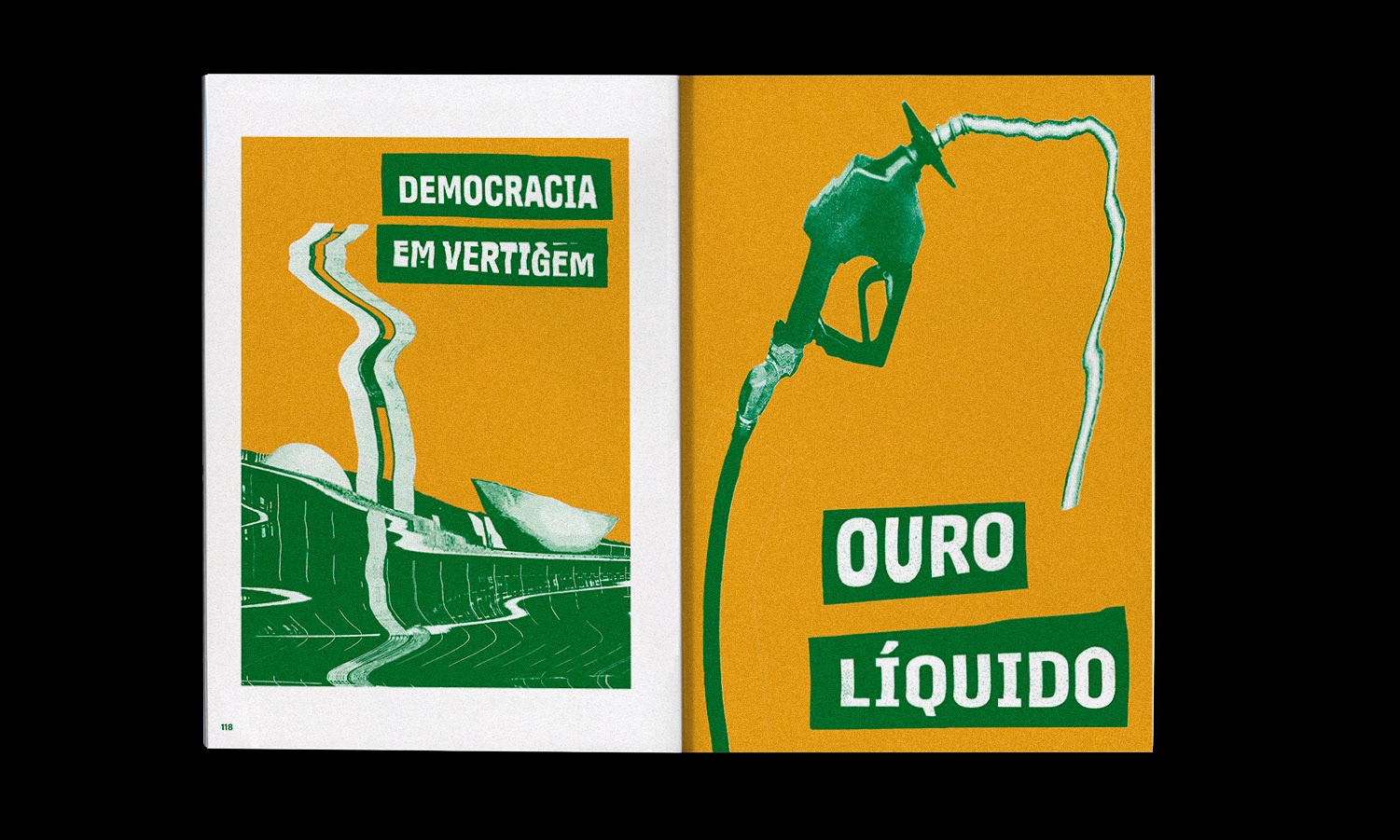
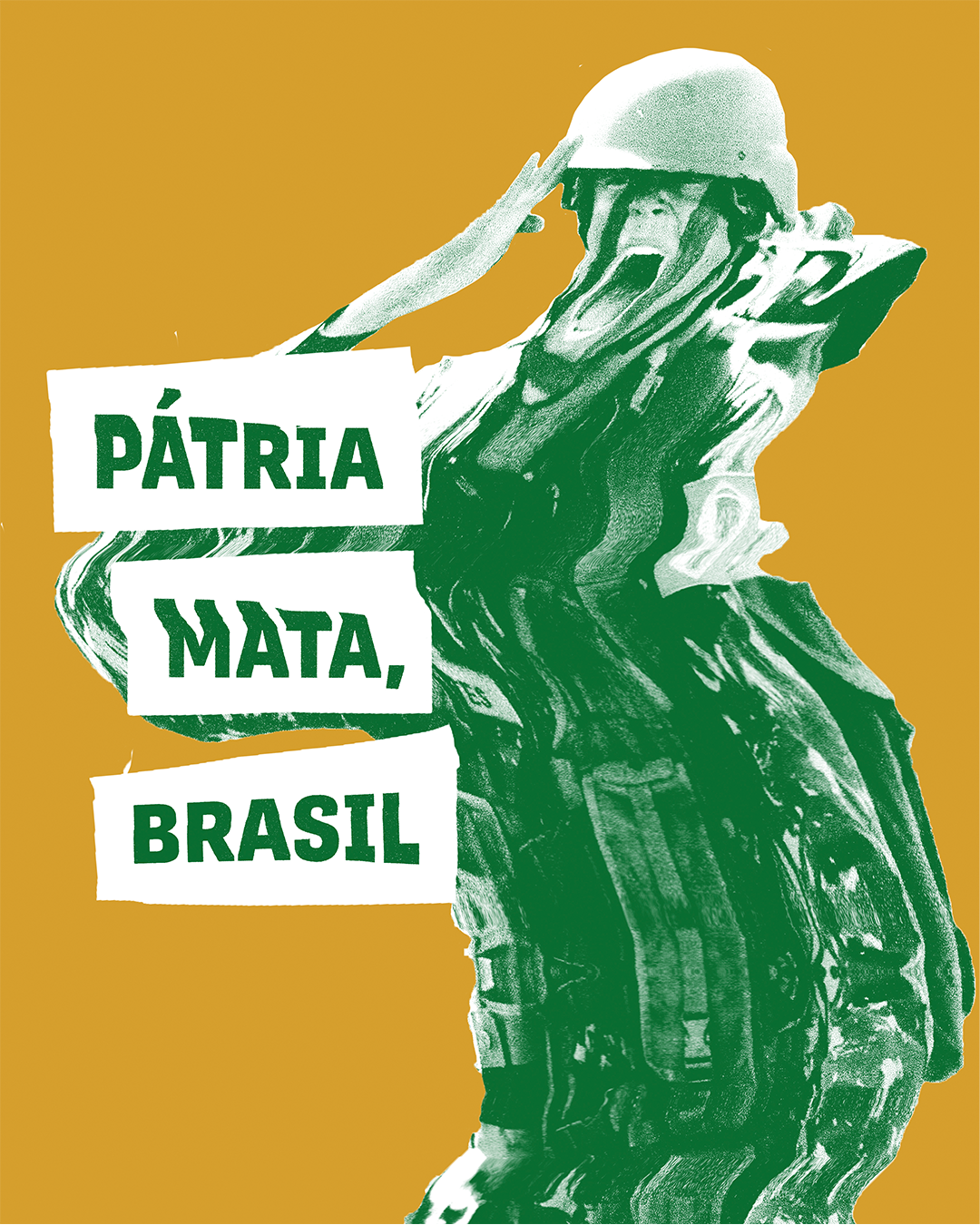
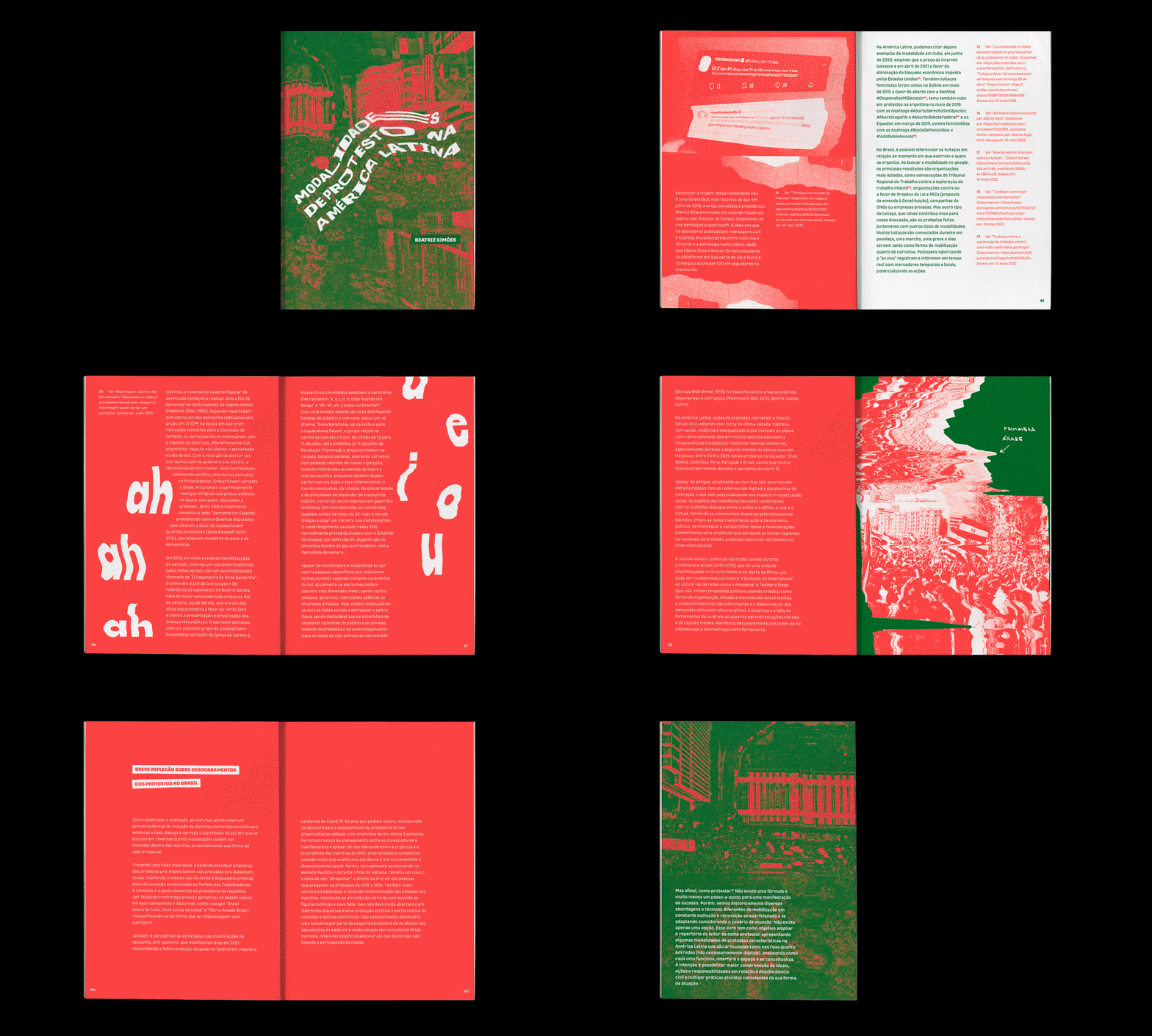
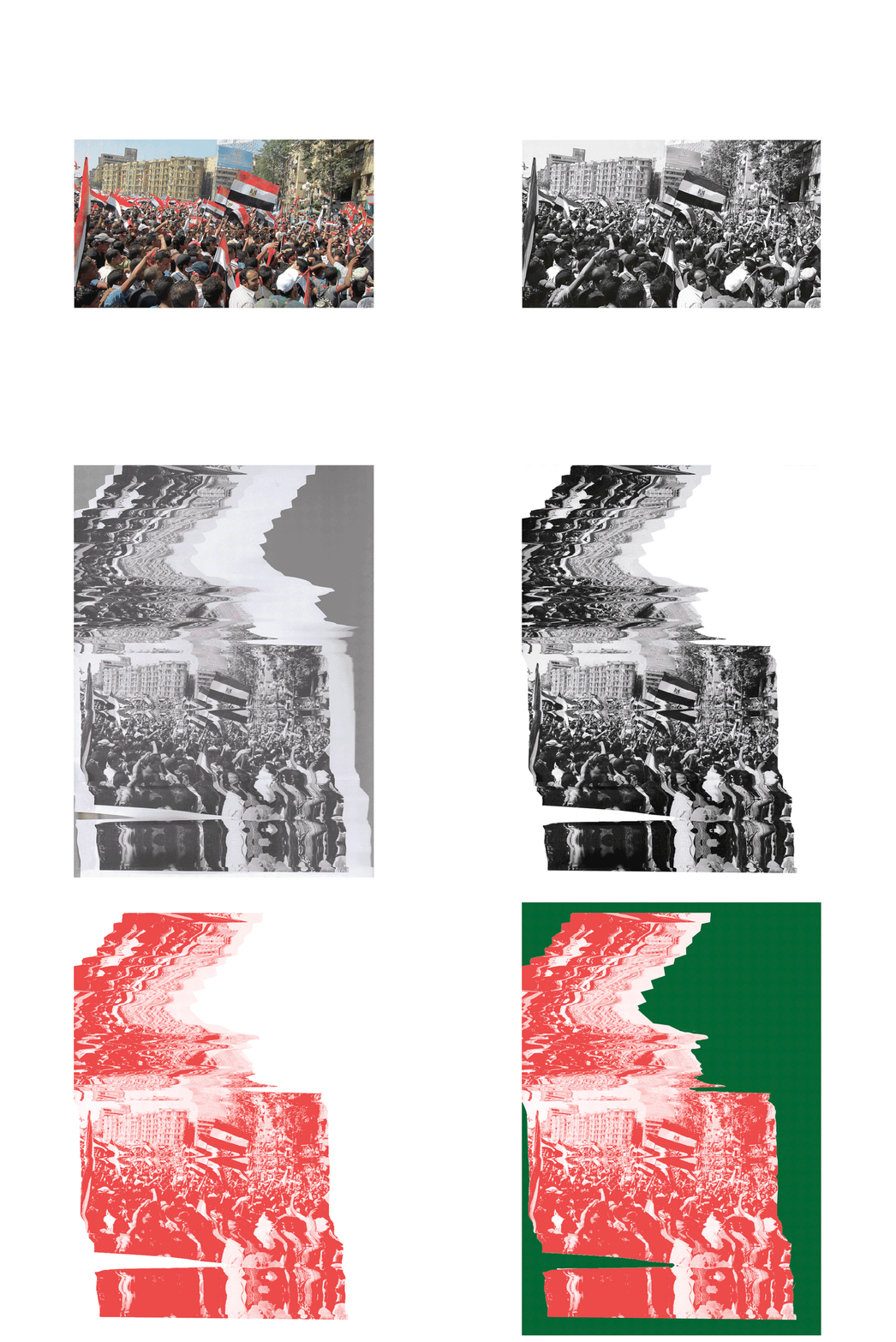
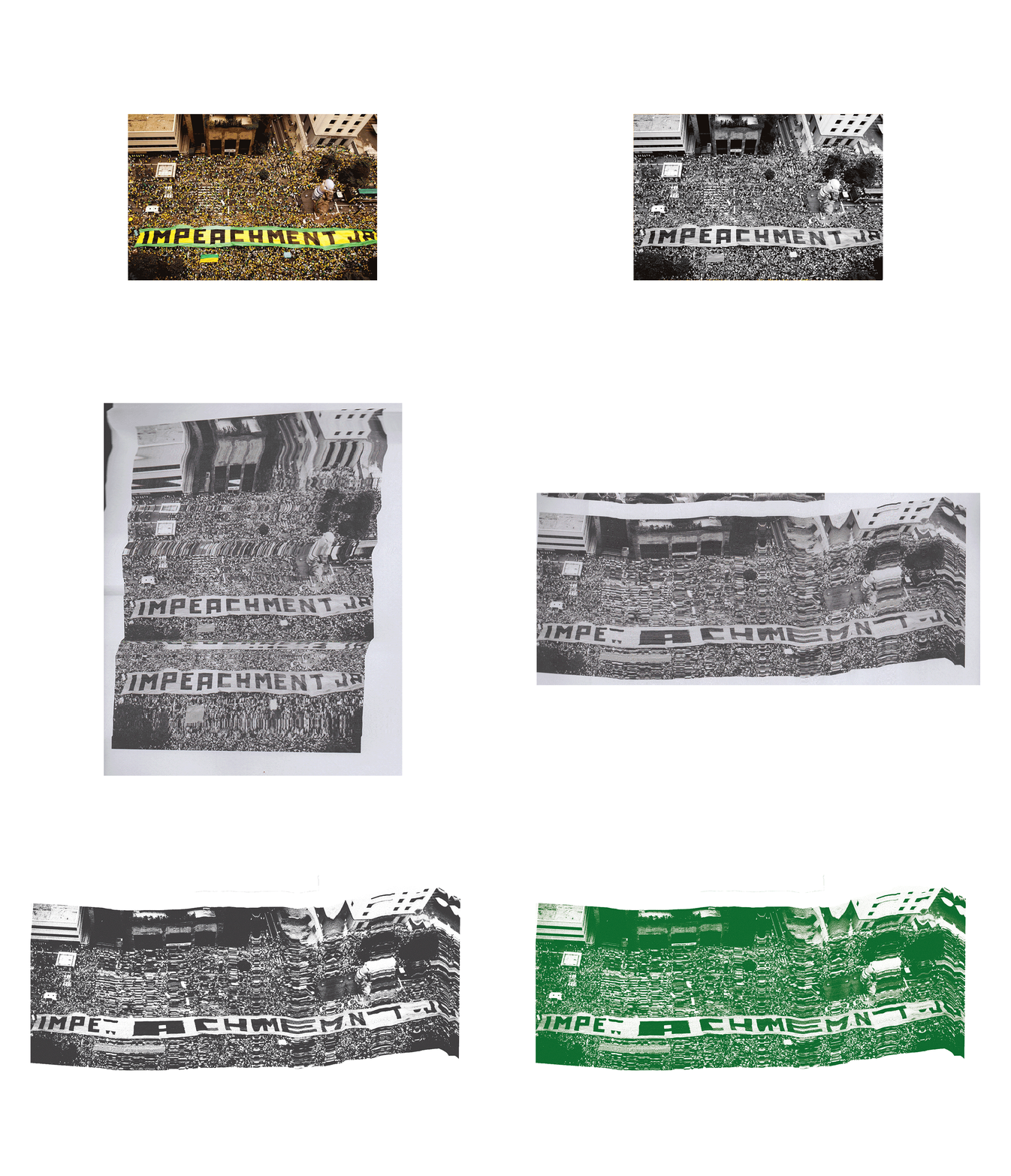
The development of the project's visual language began with experiments with a fax machine and a scanner. The creation of new images was mainly based on movement.
This idea of movement and dynamism is in dialogue with the fact that the protests portrayed are political mobilisations that seek change, progress and deny the perpetuation of unjust and outdated social structures. It is also intended to convey the idea that forms of protest are constantly changing and evolving, capable of adding new elements and new forms of action.
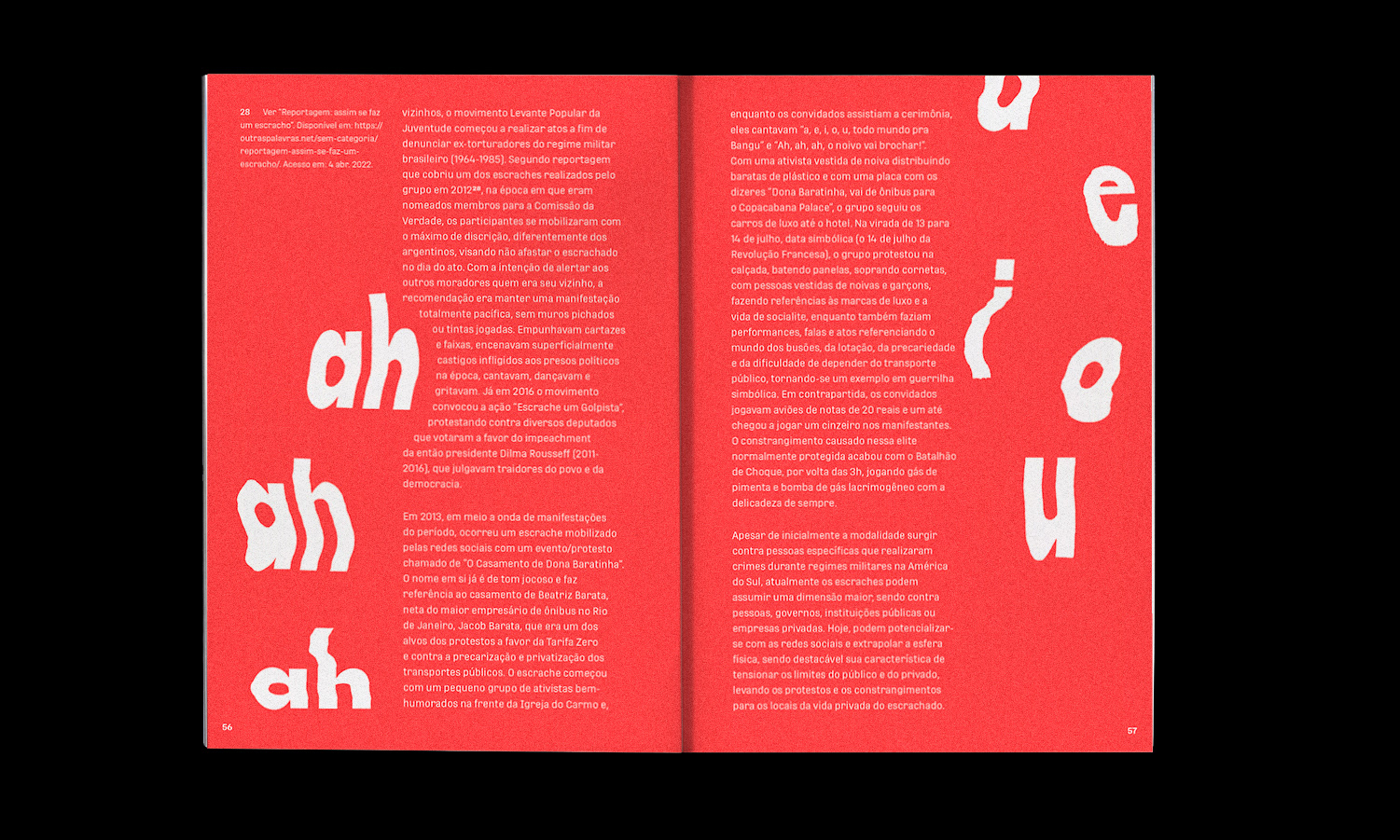
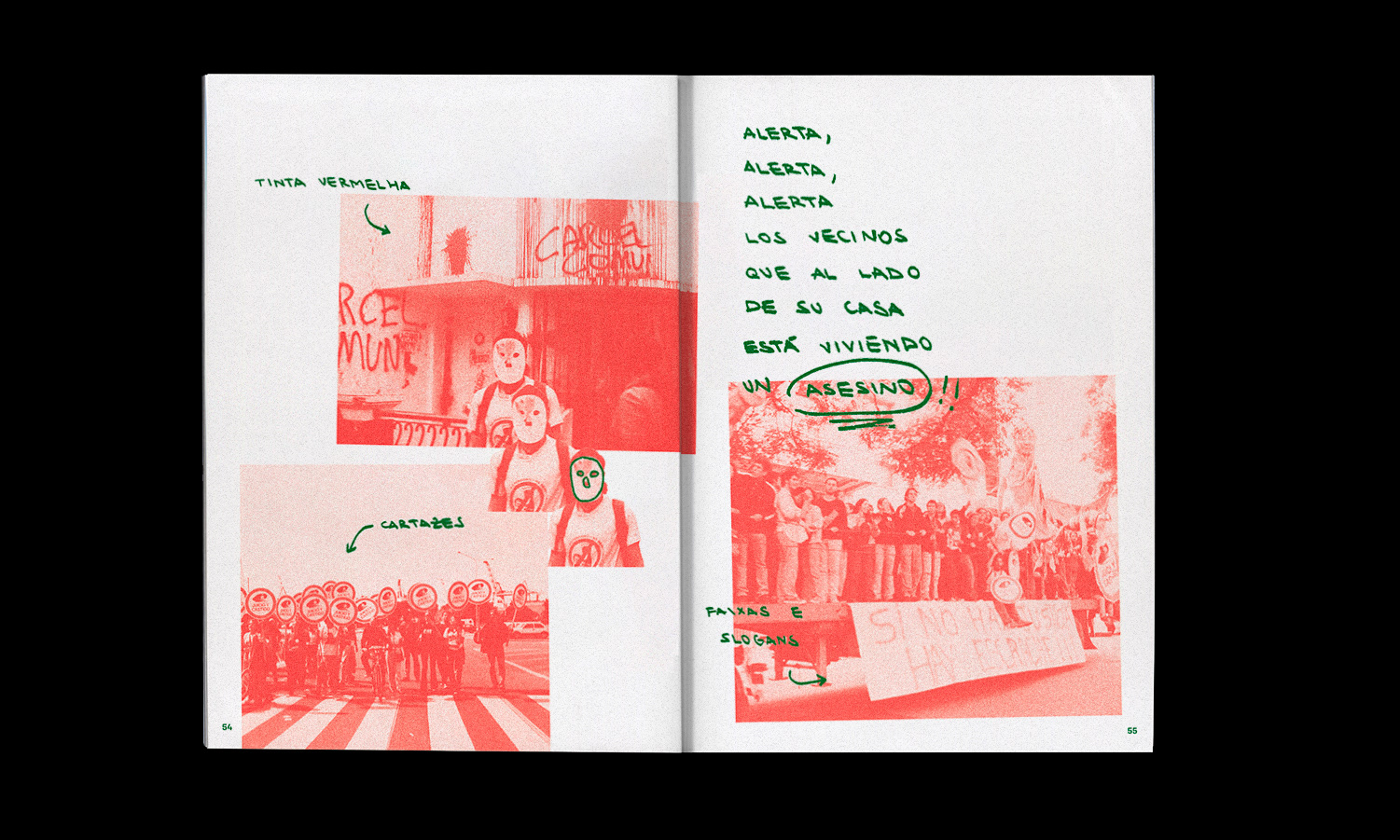
We can also point out that the images added to the chapters represent some applications of the protest methods in question, but not the methods themselves, because they are not something fixed, stable or copyable.
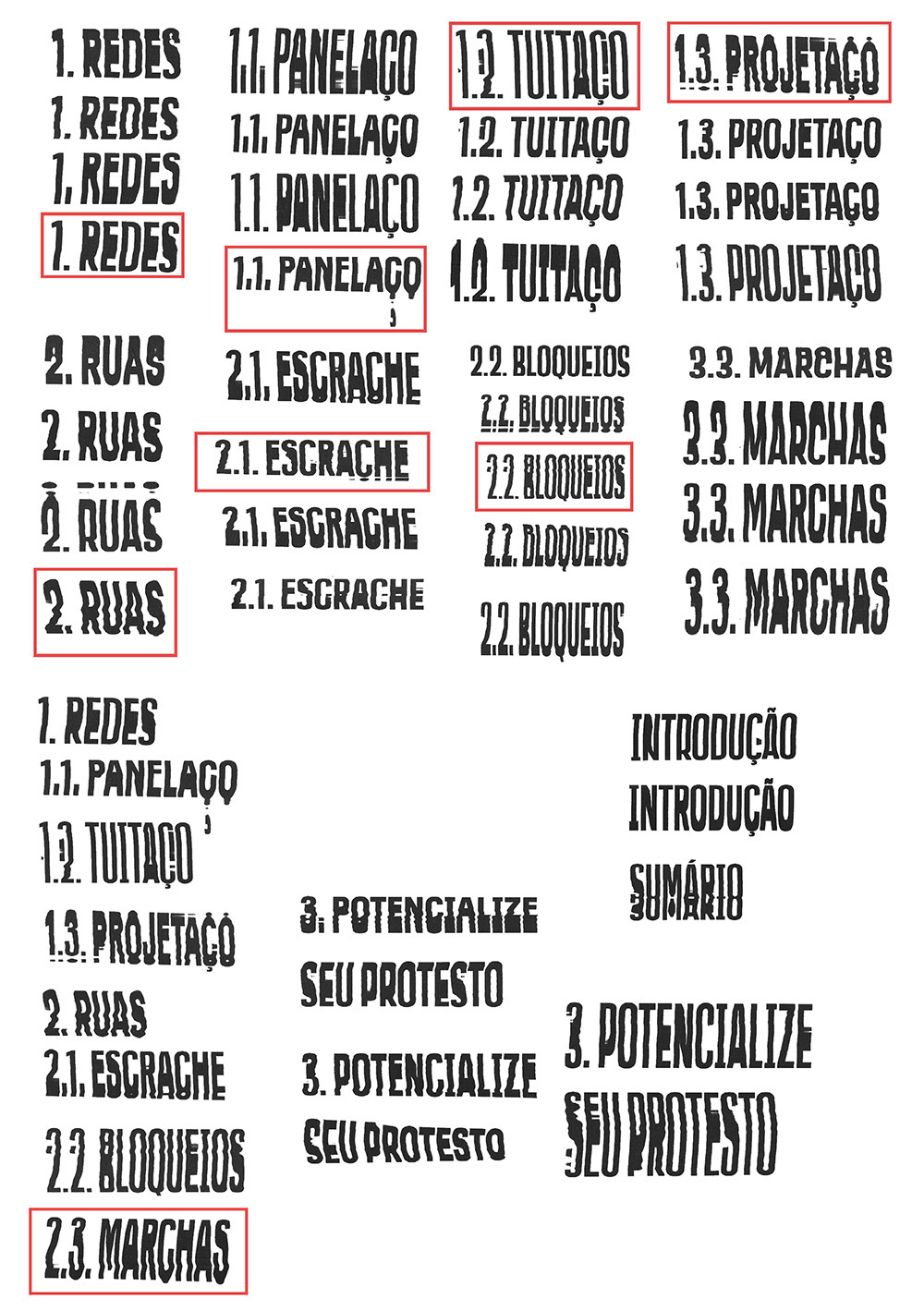
In the process of creating comprehensible and distorted images, I realised that there was a relationship with the scenarios that favour popular political demonstrations: political, economic and social crises, government mismanagement, problems in the pillars of society, corrupted values and morals, among others. In other words, the moments of mobilisation and/or waves of protest were marked by a lack of structure, misrepresentation, damage, dysmorphia in the system, which could be represented by these distorted and melted figures created through manipulations with the scanner and fax.
In both techniques there is no absolute control over the result, they are more uncertain means of production. However, they allow for a growing understanding of the technique as there is more experimentation and testing of image production. This (never total) progressive 'mastery' of technique is related to the act of protest. As one learns new methods and forms of mobilisation and understands their actions, one increases one's participation, knowledge and ability to direct one's intentions with that demonstration. There is also an understanding that no image produced in this way on a scanner or fax machine can be replicated, and this idea applies to a protest as well. Every protest is unique.
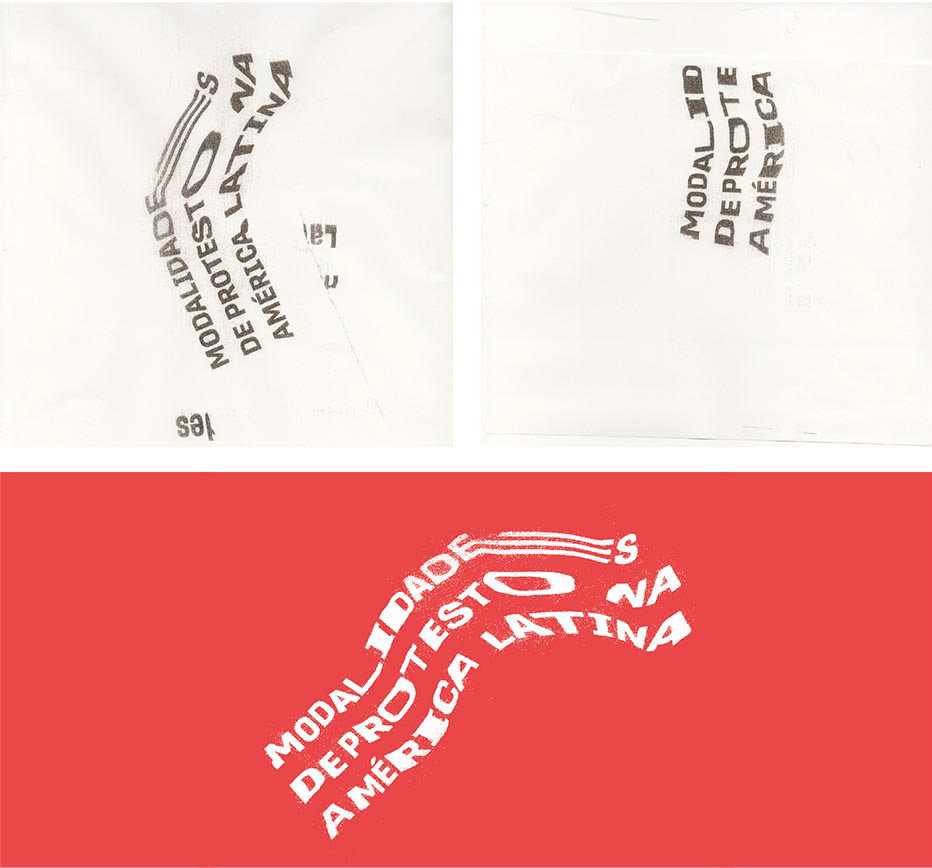
The typeface chosen for the body of the text, Protipo, is a Latin American typeface designed by Veronika Burian and José Scaglione in 2018. For the chapter and subchapter headings, the initial text was written in Protipo Wide Extrabold in capitals. The words were printed and distorted several times in a vertical direction using a scanner. The title of the book was also initially printed in Protipo Wide Extrabold in capital letters. The subtitles were printed in the same way as the others, with Protipo Wide Extrabold in capital letters. This time, however, the printed text was cut out by hand and then scanned without moving the paper. In addition, graphic compositions with distorted letters and phrases were created, as well as handwriting interference throughout the book.
The book was produced as a thesis for a Bachelor's Degree in Design at the Faculty of Architecture, Urbanism and Design of the University of São Paulo (FAUUSP). It has 140 pages, 14 x 20 cm in size, printed in offset paper 90g/m2 (93.75% utilisation of BB size paper) and includes one of the 5 posters created for the chapter Boost your protest.